


If you’ve read about a restaurant or food product in a newspaper or magazine recently, chances are a PR helped put it there.
Very much behind the scenes, PRs (shorthand for public relations agents) are not dissimilar to brand ambassadors. They form relationships with influential people. They invite said influential people to come dine at a restaurant they represent, or sample a product from a brand in their books – all free of charge. Way I see it, they’re the OG tastemakers, and are where a lot of so-called tastemakers get their ideas from.
Yes, some see the PR profession as a bit clandestine. But PRs have a valuable role in the food world. They are often a journalist’s first point of contact, where otherwise he or she may not have one at all. I’ve accosted, been accosted by, and worked with dozens – maybe even hundreds – of PRs, but Jess and Alice are up there among the better ones.
They joined forces after Jess left her marketing and PR role at The Newt, and Alice after ending an eight-year stint at Gemma Bell (one of London’s top restaurant PR agencies) to go solo and move down to Dorset. Now they form Yarrow, a PR agency based in the South West (Jess lives in Shepton Mallet; Alice near Gillingham) specialising in food, restaurants, chefs, and hotels. Without them I may not have come across such gems as Pennard Hill Farm, or Horrell & Horrell – easily among the best places to eat in Somerset (others they represent or have represented include Da Costa and Roth Bar in Bruton, The Pony Restaurant Group, The Beckford Group, Wraxall Vineyard, Bokman and Dongnae in Bristol, and The Chickpea Group).
This being quite the different experience to what I’ve had with the majority of PR professionals, who send me daily press releases about a new tumble dryer, or Waitrose stocking a company’s gluten-free baby food pouches.
Over morning coffee at Little Walcot in Frome, the following exchange — intended to at least start to demistify the inner workings of PR — is close to verbatim, but edited for clarity and brevity.
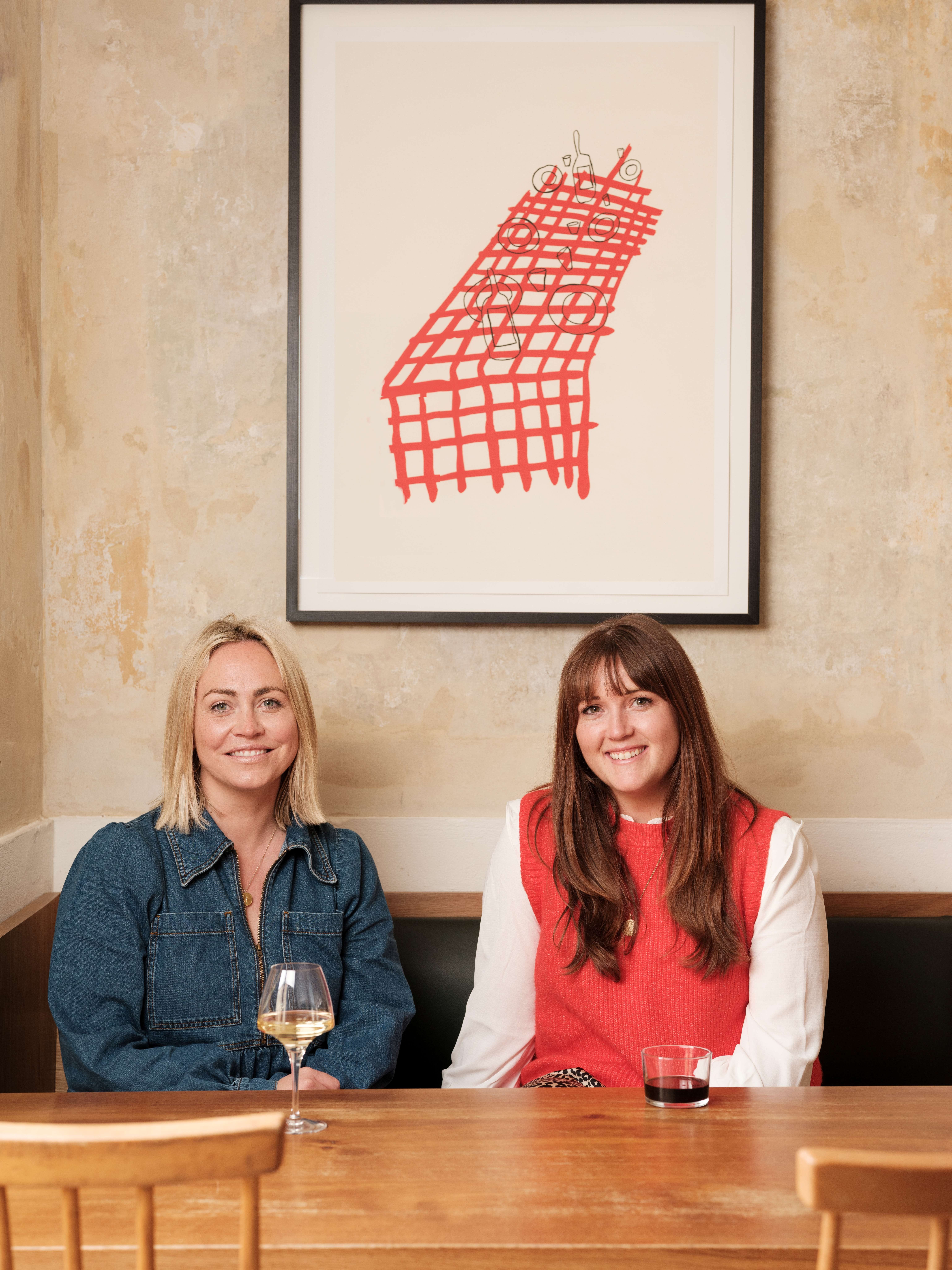
Hugh: When a review for one of your clients lands in the national press, is there some sort of pandemonium?
Alice: It varies on who the critic is. When Giles Coren did Beckford Canteen, they were full for quite a long time after that.
Jess: Dongae saw that after Grace [Dent].
Alice: It does definitely help, but it’s one piece in the puzzle. Unlike London, when you launch something down here you need to realise it will take longer. You’ll still get the critics and you’ll still get the press, but they’re not all going to come in that opening month as they’ve got to travel.
Hugh: At the same time, I’ve seen various restaurants open up down here not getting covered even in the local press.
Jess: With an opening, it’s not just press but also people you want to know generally in the scene [such as chefs, restaurateurs, and so on].
Alice: Industry invites like that are hugely important.
Hugh: How do you decide which restaurants you want to work with?
Alice: When you walk into a good restaurant or you meet people and they’re inspiring or they’ve got an amazing story. When the look and the feel of the restaurant is a lovely place to be. It’s like, yes, I want to work for these people.
Hugh: I mean, that makes your job significantly easier, no?
Jess: But also the food’s got to be good. We’ll always eat somewhere [we’re interested in]. If we approach someone, they’ve got to be loving what they’re doing.
Alice: It might be that there’s a chef with a profile that’s going to perk people’s interest, or they don’t have any profile but they’re really cool and we could get people talking about them. So you’re always looking for what’s going to get the journalists interested. You’ve almost got to think like you’re a journalist yourself.
Hugh: What is PR to you? I think a lot of people don’t really know what it is.
Jess: We were just talking about this. A couple of weeks ago, the PRCA [Public Relations and Communications Association], recently tweaked their definition of it. I think because conversations over what PR is have changed in the last 10 years. Jess reads from phone: “Public relations is the strategic management discipline that builds trust, enhances reputation, and helps leaders interpret complexity and manage volatility, delivering measurable outcomes including stakeholder confidence, long-term value creation and commercial growth.” It’s kind of saying we are not just talking to press. It’s not just how to get into publications, but how do you actually own long-term credibility. Counselling services are a part of it and then also that engagement between audience, consumer, and the restaurant. Seeing what people are talking about, and thinking how we can bring that back to our clients.
Alice: It’s not always jumping on trends for trends sake, but there might be something we try in London or we witness in London and we’re like, [our client] should be doing that.
Jess: Another thing when working with a client is they’re really into that feedback from us because we’re honest. Even before we come on board with a client, we might say, oh, you could do this with your messaging, because often they’re not shouting about it.
Alice: We always see that. Restaurants doing so much amazing stuff and they’re not putting it out there so nobody would know.
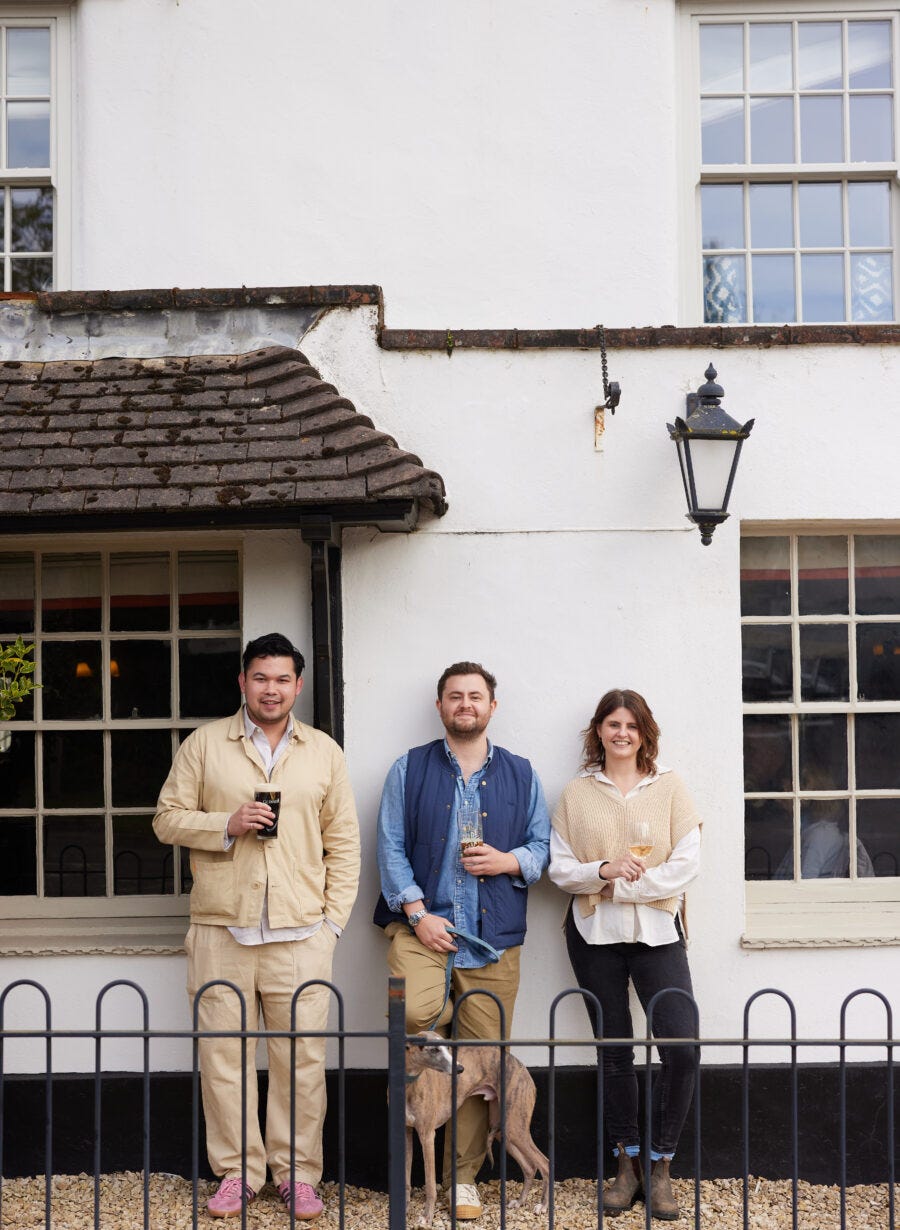
Jess: Sometimes they’re not seeing it because they’re in the churn of the day-to-day.
Hugh: I feel like this is all probably a bit different to most people’s idea of PR that tends to manifest in extreme circumstances where someone might whisper in a CEO’s ear, saying “don’t say that,” or “keep that off the record”. Obviously you don’t have those things to worry about.
Jess: It comes down to storytelling. Anyone that loves what they do in PR, that’s what they’re interested in. And from that you think about characters because that’s what we’re looking for as well. Like The Cheese Lord – we didn’t get a telly show, but he would be able to. People buy into real stories, real personalities. And it’s a very visual thing these days as well.
Alice: Good photography of clients is step one. When we come on, we’ll look at how you’re talking about yourself if there’s any way we can improve that. And then invest in a day shoot and get some really amazing photography.
Jess: Sometimes that’s about basic stuff like filters and clean light, but you’re also going to get more space for an article in a publication if you’ve got pictures to go with it.
Hugh: Presumably the cost of all that might put potential clients off, or restrict press coverage to restaurants that can afford it?
Alice: If it feels like an additional cost, clients can cost us up as another supplier. And if they’re having to factor in a monthly retainer, the longer they work for us the better it is for them. We become brand ambassadors for them as much as anything else. I’ve worked with Chickpea [Group] since 2022 and Anna and Tom at Firemade and Art Farm since 2023. Committing to that long-term PR is so worth it because there’s always more things you can talk about and you just keep building that brand recognition for the press and the public.
Hugh: Are any new clients mostly approaching you or is it the other way around?
Alice: They’re exclusively approaching us. We don’t go after business. My feeling is if you approach people, then you’re trying to get them to do PR they don’t want. You want them to be on board with it.
Hugh: Do they actually know what they’re asking for?
Alice: Not always.
Jess: And actually it might be that they need more than just marketing. In my previous role at The Newt, we’d do a lot in-house, but you might bring in a PR agency to help with strategy. I think that’s what’s really great – the network of those other services that we can bring people as well as PR. It’s a surprisingly generous community network.
Alice: The freelance PR scene has never been this strong. It’s more viable for any size of business. They can’t always afford big agency fees.
Hugh: Do restaurants ever defect from one agency to another?
Alice: All the time. They’ll stay with an agency or a PR representative for a couple of years and then they’ll think they want a fresh pair of eyes. As a PR you shouldn’t necessarily see that as you’ve failed. But hopefully they stay with you longer, as you can build a good relationship with them and know them inside out. Then when you meet press and you talk about those restaurants, chefs, or hotels, you have that real knowledge, and journalists can feel that passion when you talk about these places.
Jess: At that stage it might be that they’ll WhatsApp us a picture of a rhubarb dish they’ve come up with that day. And then it’s more in-the-moment and reactive.
Hugh: How do you then use that information?
Alice: We might know someone who’s looking for a round-up on rhubarb dishes.
Jess: A few of our clients have started sending us celeriac dishes. Root does a celeriac pastrami. [Bristol restaurant] OTHER smoke theirs for four hours, topping it with melty lardo. The Pony were doing a celeriac and apple soup with Westcombe cheddar puffs. So then we’ll package that up and pitch the press with it.
Hugh: Do you find you are mostly pitching to bloggers these days or influencers or journalists?
Jess: You need everybody and it’s about picking the right creators for the right clients. Traditional press is still a thing [clients want], but sometimes space is so small and food mags are closing down.
Alice: I’m old school. I love print media, but you have to acknowledge sometimes the digital version of a piece will get them more room bookings for example than the piece that ran in the paper. Jess is much more on the Instagram hype. I’ve had to get hyped about it and I am now I understand the benefit of it.
Hugh: It seems to have been made a lot more obvious recently, with how many bums Topjaw manage to put on seats after one of their reels.
Alice: They’re very powerful, those guys.
Jess: I like the niche worlds you can find on Instagram. You might find a creator really into history, and be interested in the building a restaurant’s in.
Hugh: Presuming they often have a small audience, but an engaged one?
Alice: Sometimes the micro influences are more impactful. Definitely increasingly so. We’re always thinking who’s the client, who do we want to attract, and how do we achieve that.
Hugh: I’m thinking of Wraxall [Vineyard] as an example. Is it that they’re set up to appeal to visitors more than locals?
Jess: They can appeal to both. Journalists tend to gravitate to the South East for vineyards, but there’s a lot more of that happening here.
Hugh: What do you make of the food scene here in Somerset?
Alice: There used to be no good restaurants at all. When I moved back down here in 2020, I thought I’d have to compromise, but now we’ve worked with people like Brickell’s who are making the best ice cream, and Anna and Tom who’re making their equipment out of their little workshop in Wincanton that chefs all over London and the UK are using.
Jess: There’s a certain energy here. People are actually looking at Somerset globally, but it’s hard to see what connects all these things really.
Hugh: I think one of the commonalities is people being shaped by food in London, honing their talent there, then moving to Somerset, maybe because they have family here. Though I don’t fully know why.
Jess: It’s experimental. People want to give things a go. Frome’s a good example of that. There’s a lot of creative people here, and you can feel that creativity in the way they set their restaurants up.
Hugh: Do you notice that about neighbouring counties?
Alice: We’ve been peddling Wiltshire for quite a while because it’s about to have a moment. People tend to bypass it, similarly to Dorset, but there’s a lot going on.
Hugh: Do you say that because Chickpea’s in Wiltshire?
Alice: They were but now have branched out. Beckford Group also – they’ve got four openings in Wiltshire this year, including a British Brasserie and a couple of pubs.
Jess: It would be nice to also see other bits of Somerset get some love.
Hugh: I want to ask about transparency. At the bottom of certain collaborations on Instagram you might see #ad, or it might generally be more explicit [that a creator has got a meal for free then covered it]. Whereas in journalism, you don’t have that. Sometimes I wonder if I should declare that a PR has influenced me to go to a place.
Alice: If you’re reading a newspaper review on a hotel, you know the writer has been hosted by that hotel. That’s just a given.
Hugh: I think a lot of people don’t think like that.
Alice: It’s kind of acknowledged that if a journalist goes somewhere and you’ve sent them and they have rubbish time, they’re not going to write about it. And that’s fair enough. So it’s like we’ve introduced them somewhere, not forced their hand. What I wouldn’t like is when journalists cover places they haven’t been. That feels less genuine.
Jess: If I’m reading recommendations on places to go, I want to know why I’m trusting the writer. It’s that kind of transparency. Where it’s changing is where journalists and other creators have their own platforms – it’s then their choice on whether they share that.
Hugh: Creator – is that now the catchall for writers, influencers, bloggers, so on?
Jess: We chose it because it does a bit more service to the people we work with.
Alice: ‘Influencer’ has a bit of a negative connotation.
Hugh: So if a creator goes to a restaurant that you represent or as part of a press trip or whatever and they publish something negative about it, would that damage your relationship with them?
Jess: We’re lucky with the places we have and the people we send to them, in that we know they’re going to like it.
Alice: That’s the skill of knowing the journalists or content creators, which isn’t always realised by people. Some I’ve worked with for 15 years. There’s a lot of work that goes into it and us consuming a lot of media to make sure we’re seeing who’s writing what, and making sure there are any new sections in magazines because there’s nothing more embarrassing than contacting a journalist and they’re like, “that section doesn’t exist anymore.” You need to be with your finger on the pulse all the time.
Hugh: Is rotisserie chicken still having a moment?
Alice: There was actually a piece not long ago on rotisserie chicken.
Hugh: Bistro Lotte will be doing it, I noticed. They’re opening up a deli with a rotisserie.
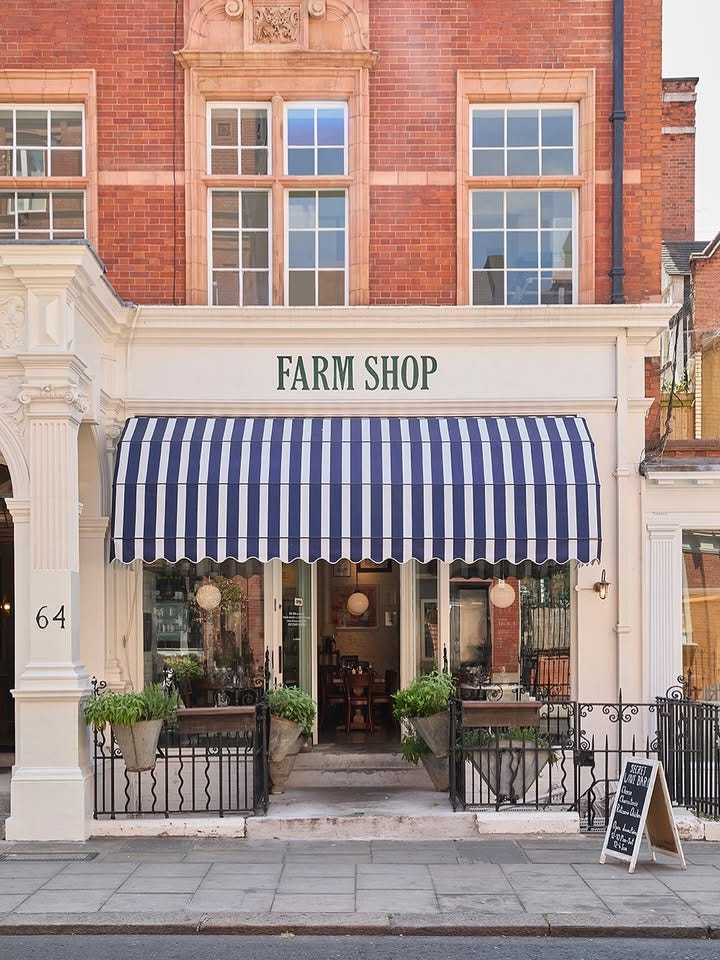
Alice: The Farm Shop in their London farm shop do rotisserie chicken. It’s always going to be a thing, isn’t it? Certain things. Good sandwiches, good pizzas.
Hugh: Anything involving flour and water, right? That’s where the margin is. One more question – Anna Tobias, one of my favourite chefs, said she wasn’t getting bums on seats, and felt a bit uncomfortable and desperate going to a PR agency to ask for help. It worked, and she still felt a bit dirty when it worked. What do you make of that?
Jess: Again, she may not have known what PR is and she probably had a lot of cultural advice from that agency she worked with that maybe she hadn’t expected to get.
Alice: Ultimately we’re there to support and champion these places. So it almost feels sad when people don’t get that we’re there to help.
Hugh: You don’t like promoting yourself. Is that a good thing? Would you rather you and the PR profession was not shrouded in mystery?
Alice: As PRs, we shouldn’t be self-promoting too much. We are behind the scenes and we are helping clients. We want them to be talked about, not, oh look, how amazing we are at our jobs.


Very interesting piece, Hugh. Mind broadening - I'm one who doesn't really appreciate the nuances in PR. Until reading this!