


Cheddar is the UK’s favourite cheese. And it’s not even close.
Such is its rampant appeal that the vast majority of the ~380,000 tonnes Britain consumes annually is designed for the mass market – it’s standardised, pasteurised, plastic-wrapped and lacking depth and personality.
Though some of this ‘factory block’ (as those in the industry tend to call it) isn’t a bad choice if you’re melting it on toast anyway, an appreciation for nothing else is simply a missed opportunity. Especially, that is, if you live in somewhere like Somerset, where the story of cheddar started. And where it continues, as the epicentre of Britain’s farmhouse cheesemaking renaissance.
To understand how this happened, you could look to its climate (being so wet and lush, much of Somerset is better for cattle grazing than anything else), or its geology (the consistent temperatures and humidity of the caves under the Mendip Hills provide an ideal environment for maturing cheddar). Sprinkle in a little myth and legend – such as the supposed law that a cheddar could only be made within a 30 mile radius of Wells cathedral – and you’ve well and truly solidified the region as the home of cheddar, if not British cheese generally.
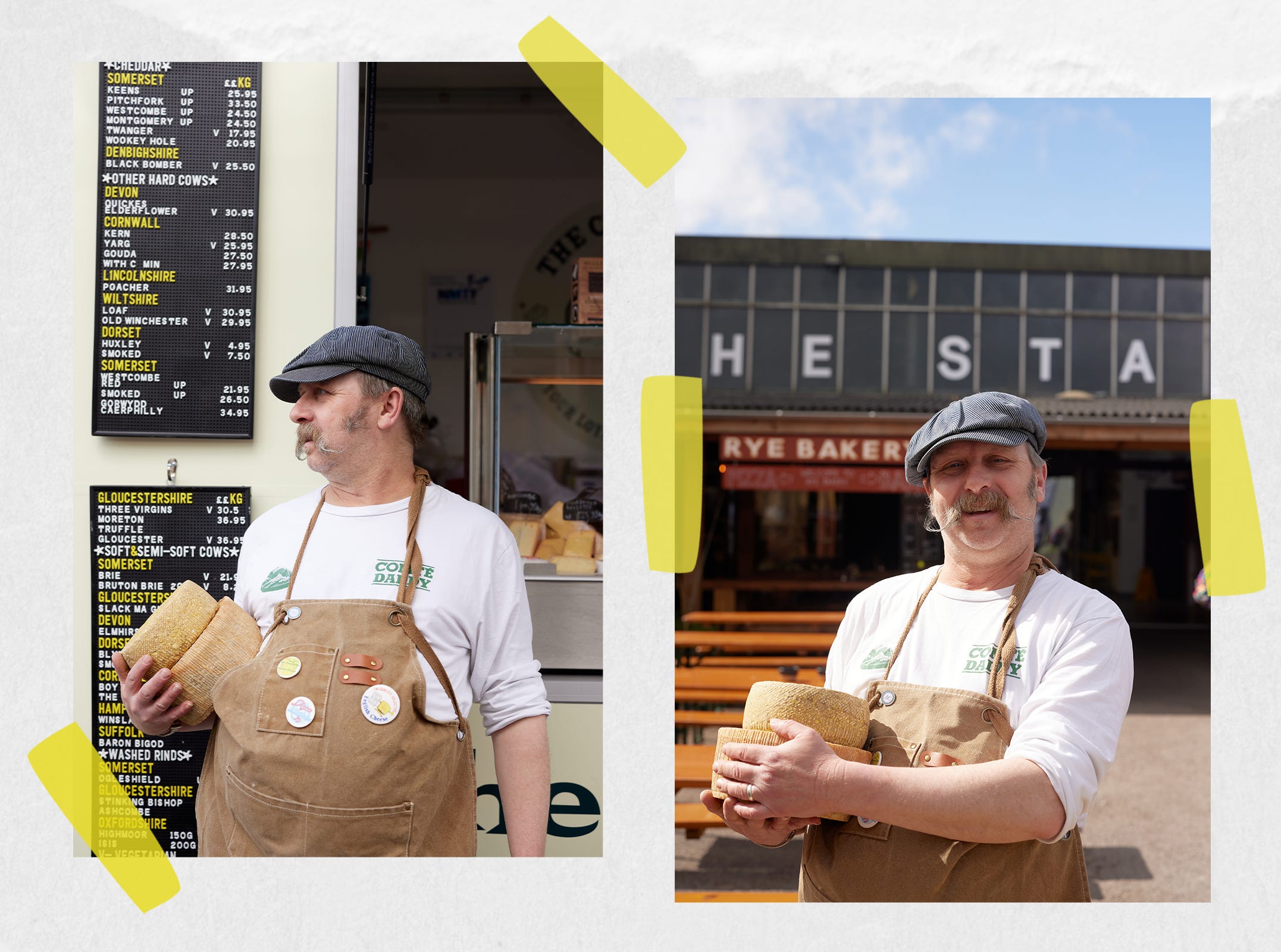
Does it deserve its reputation? Largely, yes – there’s no official number recorded, but I count at least 12 independent cheddar makers in Somerset (any other part of the country is lucky to have one or two) – but in some ways, no: “I think you can make a good cheddar anywhere,” says Frome-based cheesemonger Martin Scott, aka The Cheese Lord. “It doesn’t need to be here. There are some terrible cheddars that are made in other places, but equally, there are some pretty awful cheddars made in Somerset.”
A fair point – while ‘cheddar’ isn’t a protected interpretation of cheese in the way Stilton, Comté, Rochefort, and Parmigiano Reggiano are, only dairies using milk from Somerset, Dorset, Devon and Cornwall and making cheddar using traditional methods can legally call their cheese a ‘West Country Farmhouse Cheddar’.
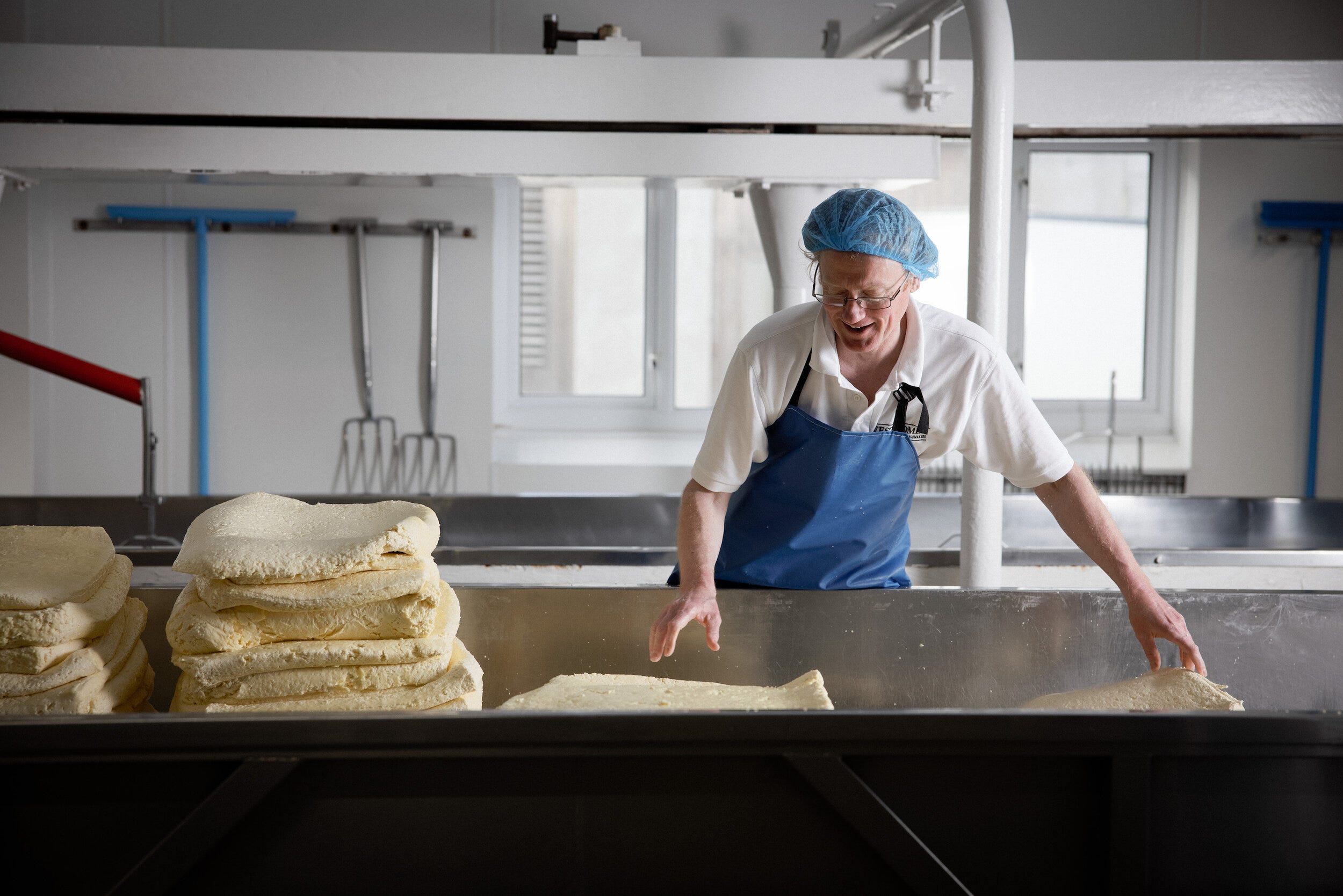
What are these methods? Well, ‘cheddaring’ involves cutting milk curds into blocks, that are then pressed and stacked, forcing out their moisture under their own weight. This process is repeated again and again to squeeze out more and more whey, eventually helping yield the sharp-flavoured, dense cheese cheddar is known as. “There are fantastic cheddars being produced even in the US now,” says Martin. “I think it’s much, much better to think about cheddar as a process rather than a place where it’s made.”
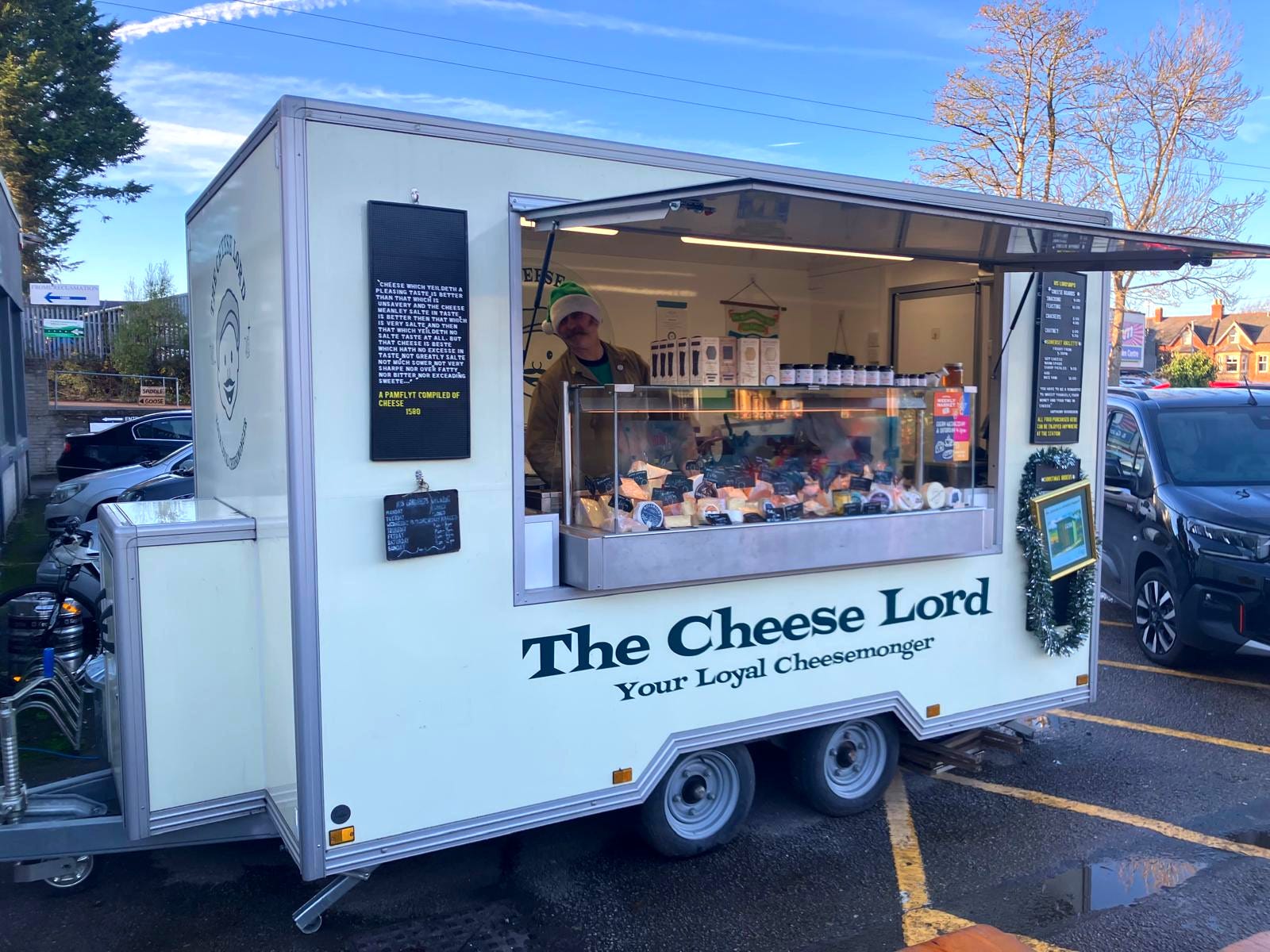
Of course, it’s one thing to make traditional or farmhouse cheddar – it’s another thing getting it into people’s hands in an informed, considered manner. This is where people like Martin come in, who, from his Cheese Chariot in a Frome carpark (see here for the Cheese Lord’s full backstory and democratisation of South West cheese for South West people) flies the flag for British cheeses, whether that means sourcing a local equivalent to parmesan, or a well-ripened Somerset cheddar you’d struggle to find anywhere else.
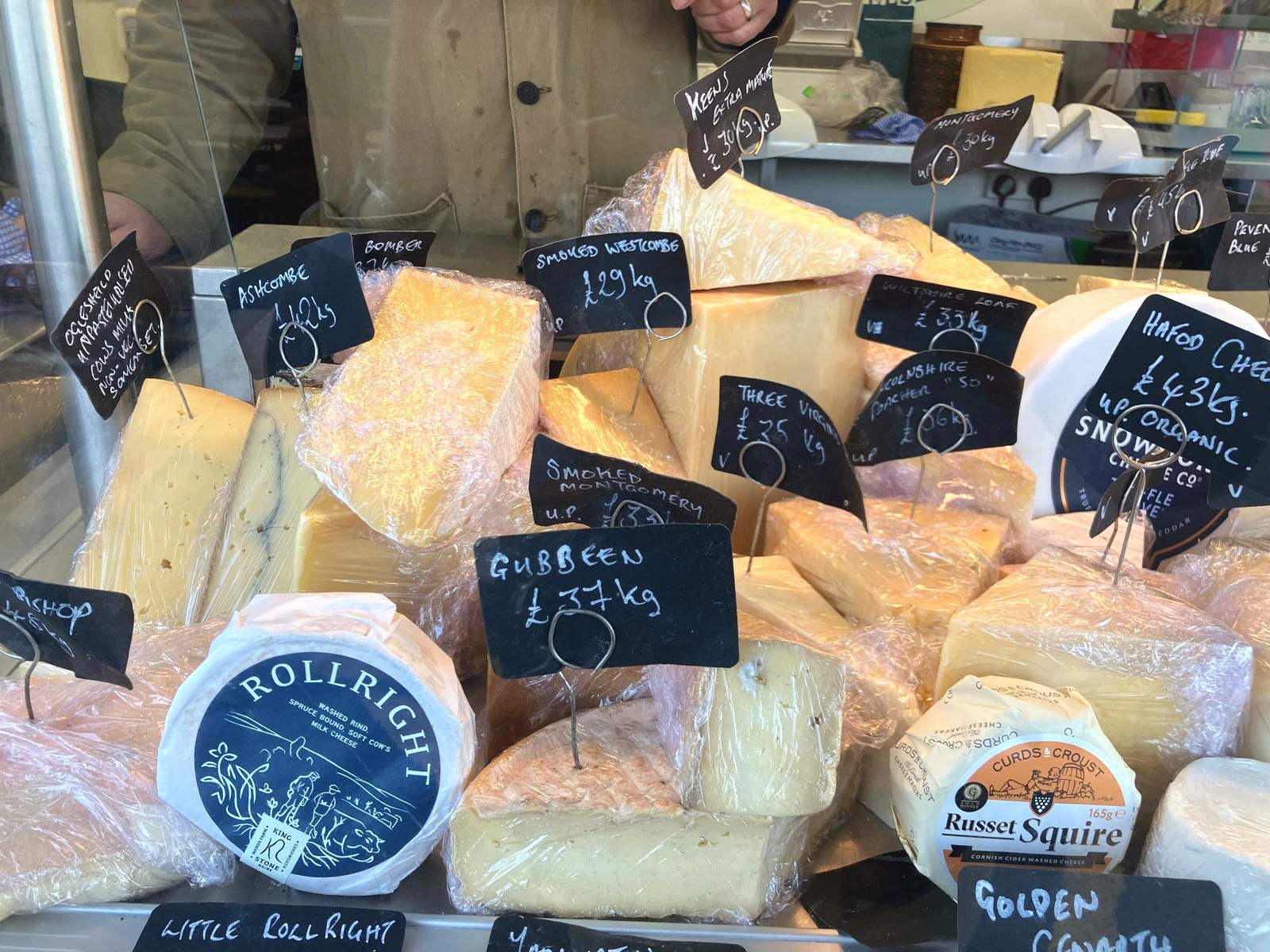
At the time of my last visit, five of the eight cheddars on his Lordship’s counter were produced in Somerset. Most of the 121 total cheddars made in this county (again, not an official number) only get a passing mention in this guide – not because they’re not stocked by Martin, but because they’re either mass marketed, highly commodified, or otherwise lack anything that wildly distinguishes them from what you tend to find on any supermarket shelf. Not to disparage anyone for that.
Really, the kind of question I want to answer here is: what makes one Somerset cheddar different from the next, even when they’re made fewer than ten miles apart? Let’s see if his Lordship can give us the run down.
The Cheese Lord’s guide to Somerset cheddars
Keen’s
Moorhayes Farm, Wincanton, BA9 8JR
Keen’s British Friesians graze on 500 acres of Somerset countryside, and are specifically kept for cheddar-making – intent as James Keen and family are on doing one thing, and doing it well.
The Cheese Lord says: “This is the one with the most tradition; the one that’s been made by the same people for the longest. It is also, I think I’m right in saying, the only one that’s completely handmade.
“It’s entry-grade traditional cheddar, an everyman cheddar, and what you might expect from a cheddar if all you’ve eaten before is from a supermarket. Whenever someone comes and says they want a nice cheddar for a cheeseboard for 20 people, this is the one I suggest.”
Tasting notes: Gritty, crumbly texture; clean, mild, slight mushroomy flavour.
Westcombe
Lower Westcombe Farm, Evercreech, BA4 6ER
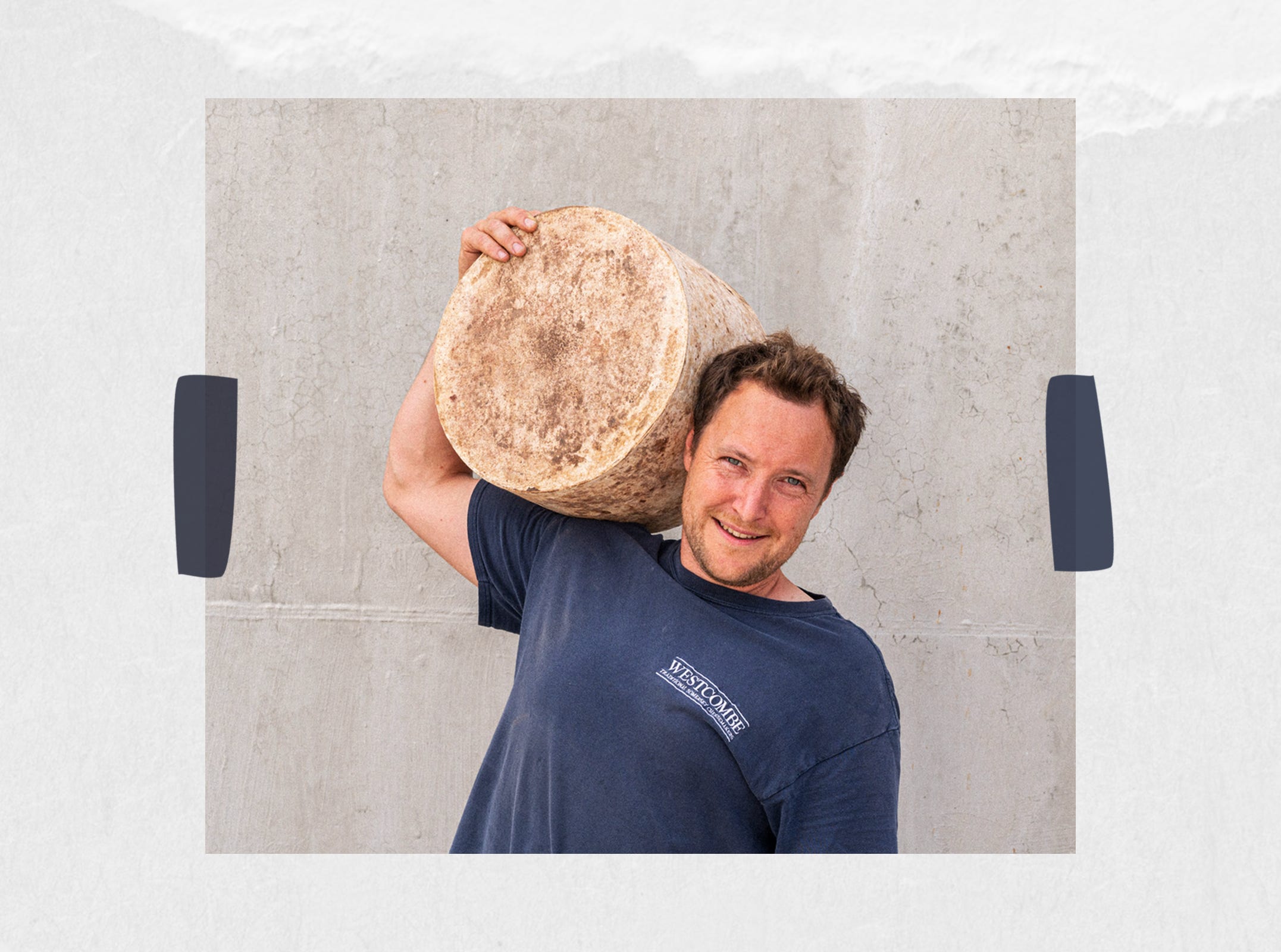
Tom Calver once made “pretty rubbish” (his own words) cheese. These days though, his cheddar features in just about every London restaurant cheese course.
The Cheese Lord says: “Tom does an enormous amount for cheesemaking. He’s the driving force behind the West Country farmhouse cheddar movement. The thing is, if you go to a foreign cheesemonger and buy a British cheese, nine times out of ten it’s going to be Westcombe. Lots of people come back and buy it every week.”
Tasting notes: Smooth, almost dough-y texture; somewhat complex, grassy flavour.
Cheddar Gorge Cheese Company’s Vintage Cheddar
Cheddar, BS27 3QA
Cheddar made in cheddar has undoubtedly been commercialised for tourist appeal, though that’s not to say its mission – or its cheese – is entirely dumbed down.
The Cheese Lord says: “The vast majority of what I stock is made by farmers, but these guys [CGC] buy in their milk. Their cheese is generally substandard in my opinion, but this one [vintage matured] is head and shoulders above everything else they produce, including the cave-aged, which is the one they make a big song and dance about. The vintage has been aged for 24 months, and it’s got something more about it. 90% of the time, when people say, ‘give me your sharpest, strongest cheddar,’ this is what they want.
“Also, the thing that works for a cheesemonger is it’s vegetarian. The rest of the trads use animal rennet, or waxing, or larding.”
Tasting notes: Dry, crystalline texture; sharp and robust flavour.
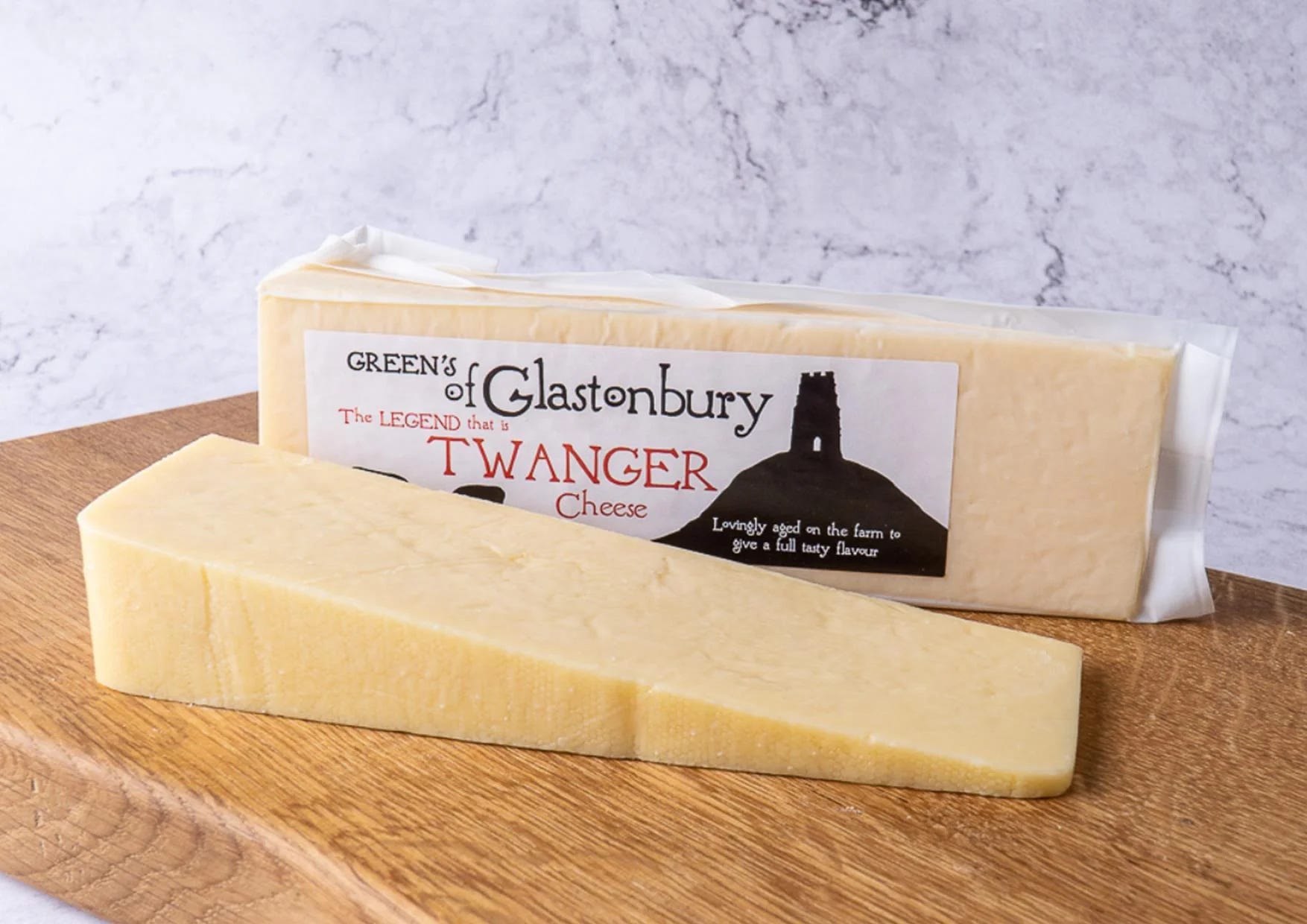
Green’s of Glastonbury Twanger
Old Farm, BA6 8NX
Organic cheddar made by John Green and family within sight of Glastonbury Tor.
The Cheese Lord says: “This is a pasteurised one. You can absolutely depend on pasteurised cheddars and depend on them being the same every single time. They taste clean, and they’re palatable. It would be unfair to say they are one-dimensional, but they do lack something.
“If you want to make cheese on toast, I think this is fantastic because it’s strong, it’s creamy, and it’s crunchy. It’s got everything that people, when they ask for a cheddar, tend to say they want.”
Tasting notes: Clean, yoghurty, inoffensive.
Montgomery
North Cadbury, BA22 7DW
Monty’s Somerset pastureland is pretty legendary, it being the original site of King Arthur’s Camelot Castle – and home to the cows that, without hesitation, help make one of the best cheeses in the world.
The Cheese Lord says: “Montgomery’s isn’t the prettiest looking cheese. It’s kind of dried out. But I always love cracking it open. You can smell the pasture coming off it. It’s intoxicating. Something like Westcombe is about consistency, but every time you crack open a Montgomery, you’re not quite sure what you’re going to get.”
Tasting notes: Complicated, grassy, and farmhouse-y. A “filthy” cheddar. Not sharp, but punchy.
Pitchfork
Trethowan’s Dairy, Hewish, BS24 6AH
Somewhat new on the scene and therefore without the heritage other cheesemakers may boast, but the Trethowan brothers’ cheddar is so well made you wouldn’t know it.
The Cheese Lord says: “Delicious, beautiful depth of flavour from a regenerative farm outside Weston. I like Pitchfork but don’t sell it as it’s an organic trad cheese similar to Haford.”
Godminster
Bruton, BA10 0EH
Organic cheddar from a Bruton farm famous for their heart-shaped wax cheeses.
The Cheese Lord says: “Great example of a wax-wrapped cheese like Black Bomber. And probably because of Black Bomber I don’t get asked for as much as I used to. The other reason I don’t sell Godminster is because you can get it just about everywhere else.”
To round out the Somerset cheddarmaker map of sorts, see also Barber’s in Shepton Mallet, Wyke in Bruton (both among the biggest cheesemakers in the country, the latter supplying various supermarkets with own-label cheddar), Lye Cross Farm this side of Bristol, Batch Farm in Shepton, and Ilchester Cheese Company.
The Cheese Lord’s notable cheddars from further afield
Just ‘cos they’re not from Somerset doesn’t mean they can’t make good cheddar – as these cheeses exhibit very well.
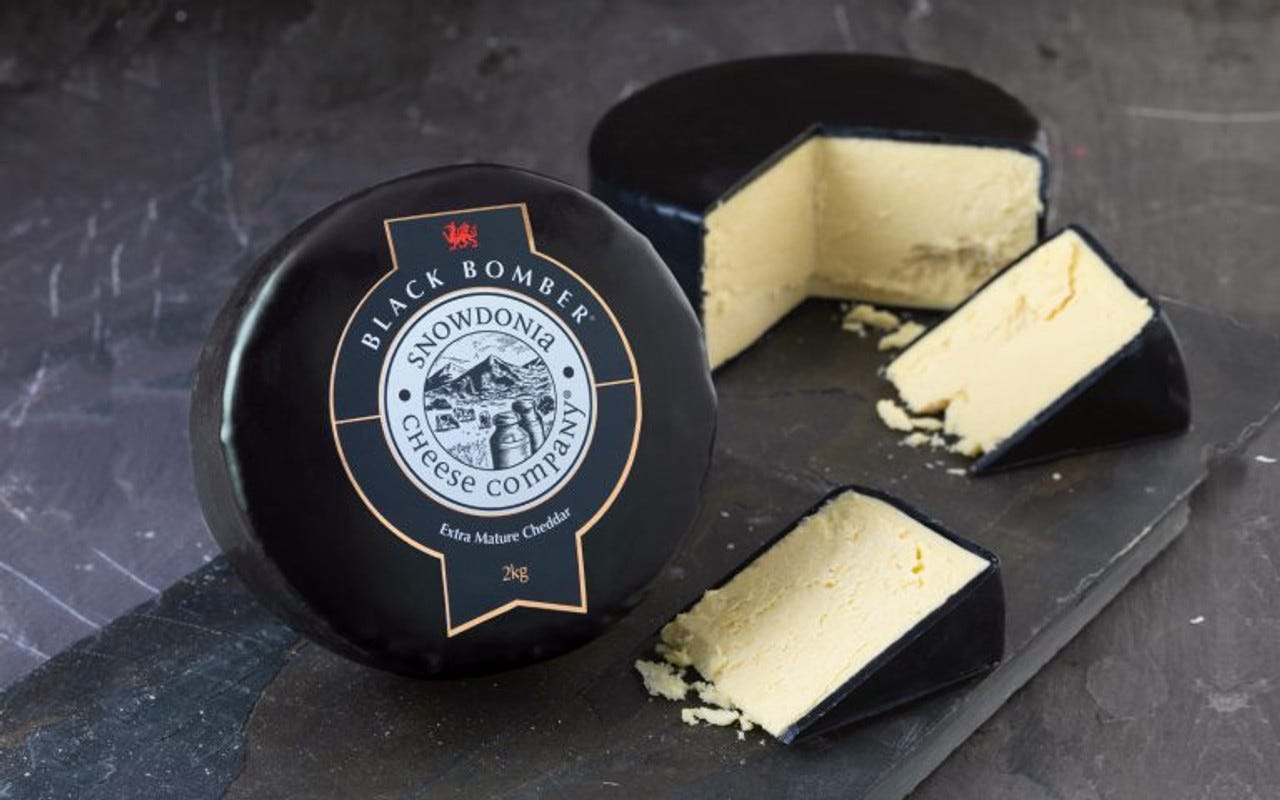
Black Bomber
Snowdonia Cheese Company, Rhyl, Wales
Snowdonia Cheese Co. has only been going since 2001. It fooled me before, but don’t let the appearance of its Black Bomber deceive you – this is every bit a ‘modern classic’ as some cheesemongers have described.
The Cheese Lord says: Waxed cheeses are funny things. You make a cheese and you mature it, then you smash it up, put it back together again, and cover it in wax. What you then get is something really soft and creamy and sharp. Black Bomber is really lovely, because it shows what a broad church cheddar is. It has absolute devotees.
Tasting notes: Intensely creamy, melt-in-mouth texture; rich, savory flavour.
Haford
Holden Farm Dairy, Ceredigion, Wales
Holden Farm’s Patrick Holden is the CEO of the Sustainable Food Trust. Here he puts his money where his mouth is, with a responsibly-made cheddar from a 1917 recipe.
The Cheese Lord says: Haford is a great tasting cheese, but also it comes from a really good regenerative farm. And it’s a fantastic example of cheese making in that way. It is a touch more expensive because of that. It’s buttery, with an absolutely amazing texture. Many people find traditional, complex cheddars too dry. But I think this has got some moistness to it.
Tasting notes: Buttery texture; earthy, mushroomy flavour.
Lincolnshire Poacher
Ulceby Grange Farm, Alford, Lincolnshire
Somewhere between cheddar and comté, some people detect a curiously strong, pineapple-like flavour to Lincolnshire Poacher.
The Cheese Lord says: It’s often sold as a cheddar, but it isn’t really a cheddar – the process is more mixed. This one’s been aged to 30 months, and it’s very dry, but you get more mountain cheese flavours in it.
Tasting notes: Slightly waxy texture; rich, savoury, nutty flavour.
Quicke’s
Home Farm, Devon, EX5 5AY
The Quicke family have farmed their little patch of Devon for 14 generations. Their buttery (pasteurised) cheddars are from cows that spend 10 months of the year out on grass.
The Cheese Lord says: I’d love to stock it to be honest, but the plan is to sell them online soon. They make great cheddar, but it costs £43 a kilo.
Below the paywall: The Cheese Lord’s guide to a proper Christmas cheese board, his hot takes on what cheese is best for when, and how to get the fullest flavour from your cheese.
Also become a paid subscriber to support local food journalism and get monthly intel on Somerset food culture straight to your inbox.