


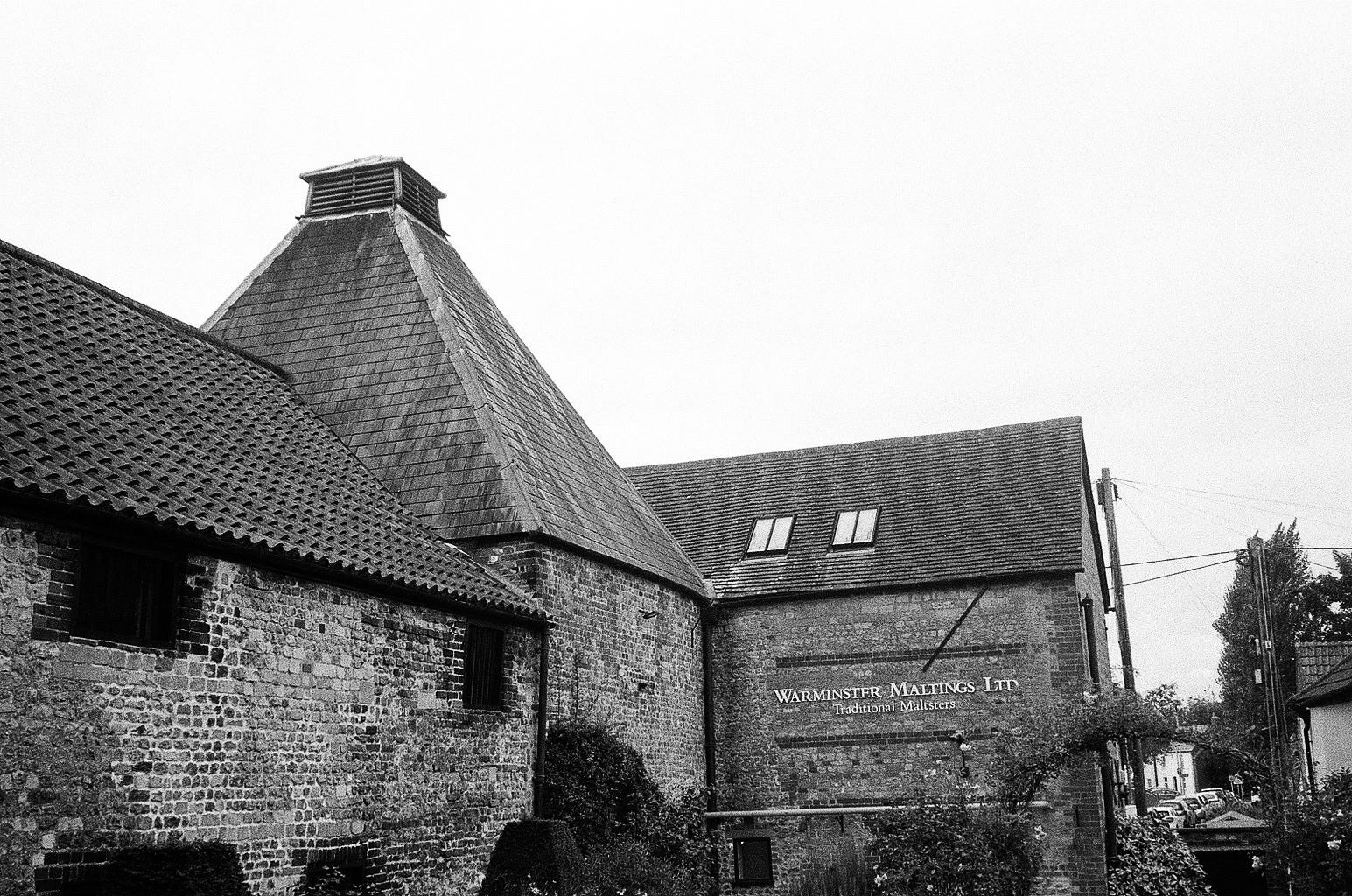
Once you start to recognise the silhouette of a former maltings, from its blocky lower storeys and its pyramid-shaped roofs, they’re impossible not to notice. As seen in towns like Frome, Taunton, Dorchester, and St. Austell, these husks of the pre-industrial era protrude from the English landscape as emphatically as church steeples and – another relic of a brewing industry gone by – oasthouses.1
In the early 19th century, there were several hundred of these working maltings – found in every town and even the odd village – across the South West. Now? There’s only one.
That you’ll find on a quiet road in Warminster, unassumedly going about its business of using water and heat to tease sugars out of grain (usually barley), which a brewer will ultimately use to form the backbone of their beer.2 Hops may get all the glory when we talk about beer, but malt is what imparts colour, heft, mouthfeel, and much of a beer’s flavour – often manifesting in notes of anything from digestive biscuits and toasted bread to dark chocolate and espresso.
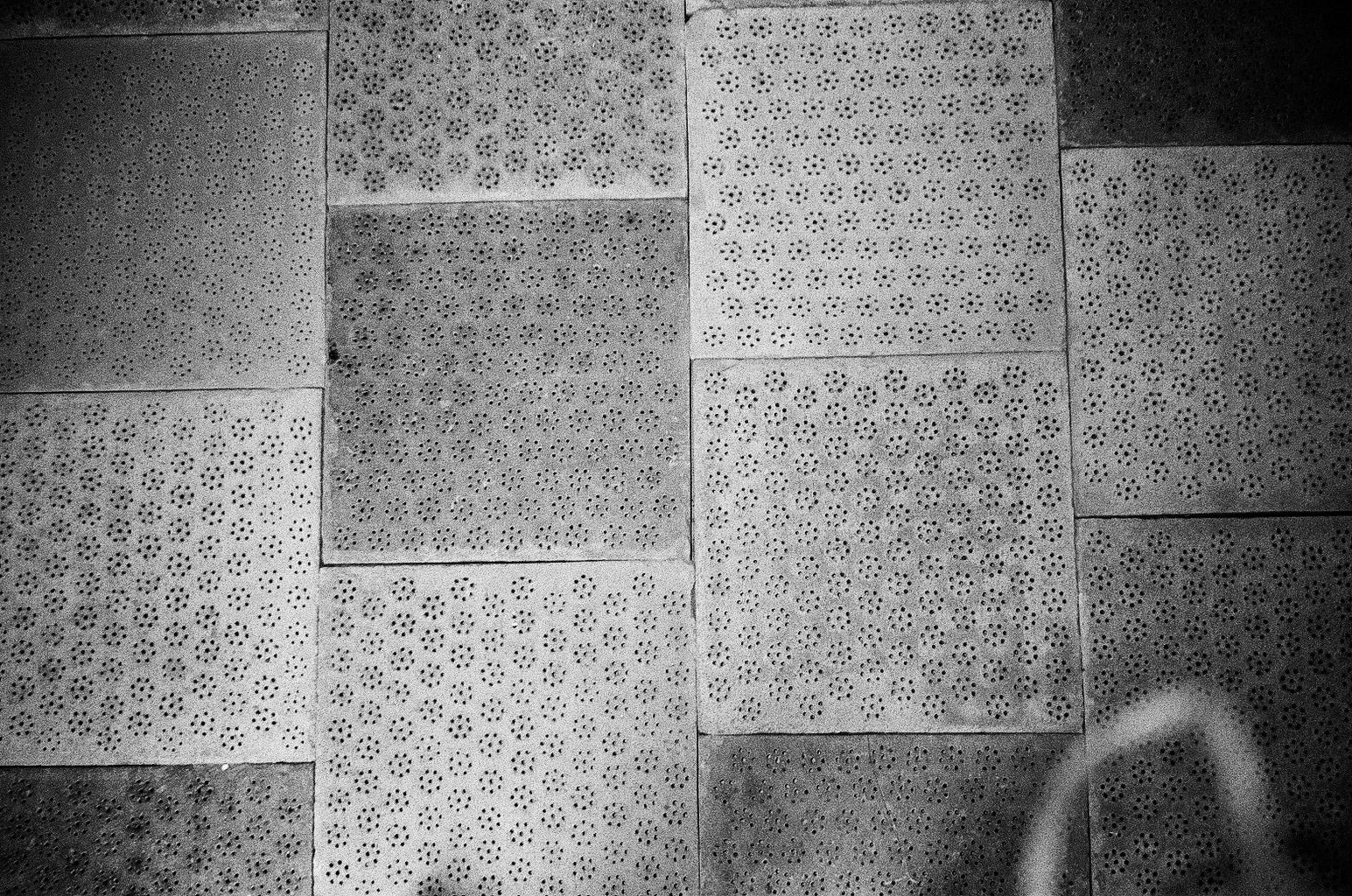
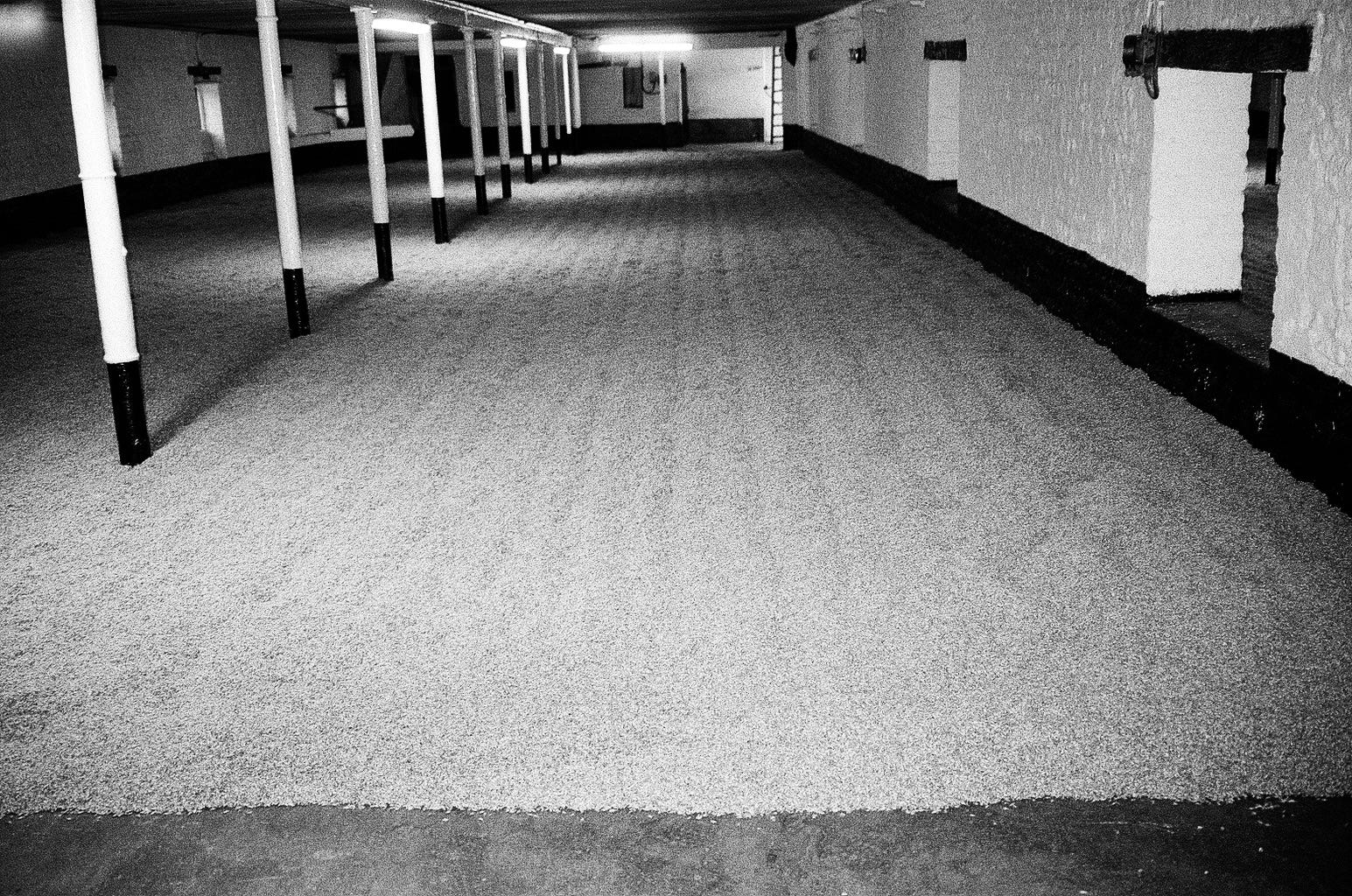
More than that, maltings are a cultural signifier, whose decline says a lot about where our food system was, and where it is now. Especially Warminster, which happens to be the last surviving floor maltsters in the entire country. What that basically means is there’s barely an LED, touchscreen, or button in sight – virtually everything is conducted by the touch, sight, and taste of its people, not too far removed from how things were done 200 years ago. Enormous drying rooms, century-old wooden rakes, knackered malt shovels, woodwormed beams, and all.


Yep – Warminster Maltings is in every sense a working museum, though it has kept up with various necessary advances in the past couple of centuries. Until the early 1800s, all beer produced at any kind of scale would have tasted smoky, dried as the malt was over an open fire of wood or straw or, later, coke. Then came the innovation of drying and toasting malt over indirect heat. Which, as well as not intoxicating its maltsters in the process, ultimately allowed breweries much more control over the flavour profile of what they offered their drinkers.
It is that varied flavour profile – which exists as a kaleidoscope of caramel, biscuit, nuttiness, chocolate, and so on, and so on – but also the quality of those flavours, that has come to endear Warminster Maltings to brewers around the world. Brewers, that is, like Mike Segerson of Devil’s Purse Brewing, all the way over in Massachusetts. “I’ve absolutely loved working with Warminster’s malt,” Mike tells me. “Its depth of character is hard to match.”
Those much closer to home, such as Long Man, Rude Giant, MacIntosh Ales, Somer Valley Brewing, and Bristol Beer Factory, more commonly appear on Warminster’s client list. “Their malts have their own characteristics compared to other maltsters,” Somer Valley Brewing’s Chester Ellis tells me. “Our unique thing is we want our beers to be malt [rather than hop] driven,” he says, suggesting that when something is contained to a handful of ingredients (in beer’s case: water, malt, hops, yeast), those ingredients ideally need to be as good as you can get them.
This is even more true among local whisky makers, including Richard Lock at Retribution distillery outside Frome in Mells, who lean on the character of malt more than any other input. “Warminster malt is a true craft product,” says Richard. “There is batch-to-batch variation, seasonal variation, and their floors are alive with bacteria, which adds to flavour development during germination.”
The fact the maltings is a 30-minute drive down the road from Richard is a fortunate circumstance, considering he invokes as much of the local area’s identity into his whisky (this also includes the smoking of his malt over applewood – abundant, of course, in Somerset). “Warminster produce the best malt in the country,” he says. “The depth of flavour is like comparing a supermarket loaf to [what you get from] an independent bakery.”
Speaking of independent bakeries, they too have something to gain from a local, flavour-forward maltings – albeit now less so than in the past. “Bakers, brewers and maltsters were once the pillars of the grain economy in this country,” says Rye bakery co-owner Owen Postgate. “Malt reminds us how bakers, before baker’s yeast was introduced, relied almost solely on barm [a yeast byproduct from brewing] to leaven our bread. In this post-industrial age it’s vital we reconnect to our past and what makes our baking heritage in the South of England.”
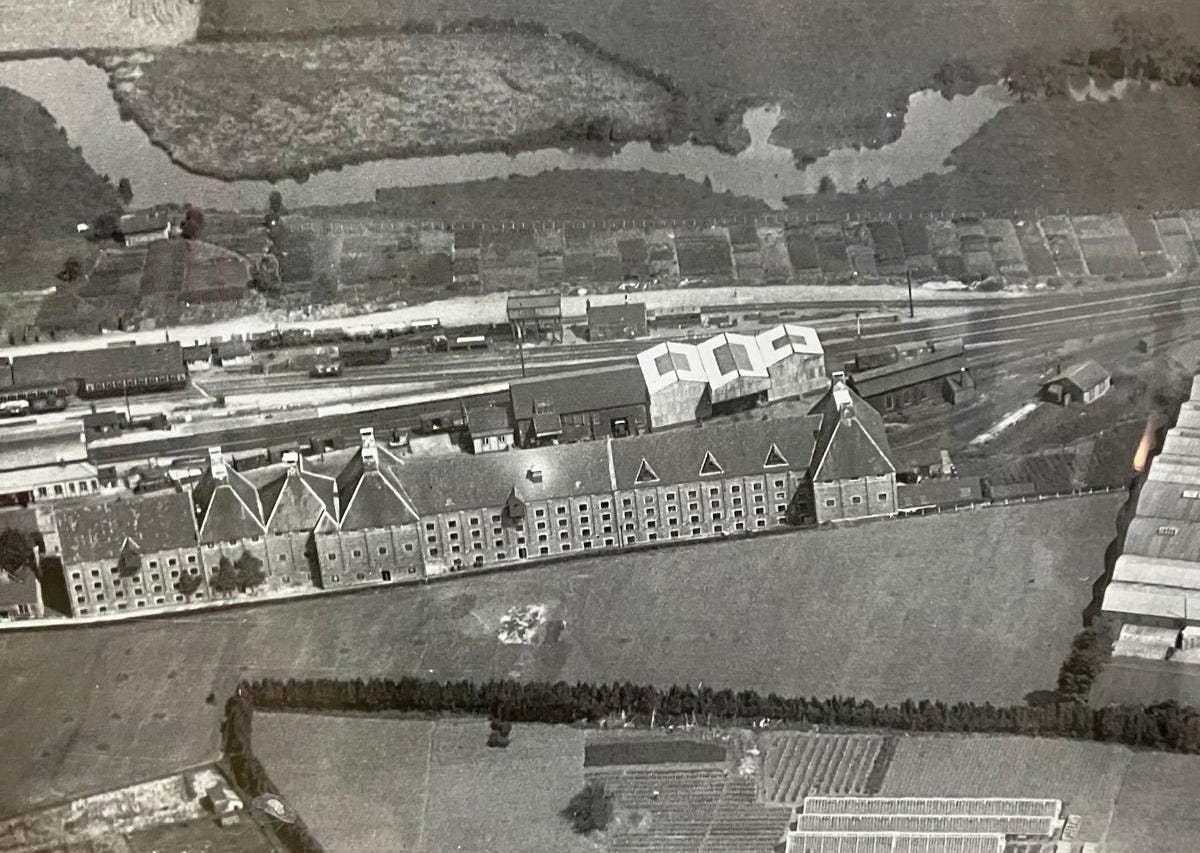
Let’s not forget, however, that traditional maltings are almost entirely artifacts of the past for a reason. The industrial revolution and the general ongoing quest for efficiency (Warminster Maltings freely admit they cannibalised dozens of other malting businesses that once existed in the town) has both polarised production into either fast and homogenous, or slow and characterful. Which of course carries a cost difference too – being so labour intensive, and reliant on time, Warminster’s malt (up to 30% dearer than what other maltings can charge) is the most expensive in the world – a price that, inevitably, is ultimately passed onto drinkers.
There are of course various nuances as to whether innovation actually improves the food we eat and the drink we drink, though I think we can generally side towards one stance on that particular argument than the other. As Richard put it to me, “modernisation and industrialisation in the pursuit of yield is the enemy of flavour.” Casualties of the industrial revolution now serving as little more than office blocks though they may be, let those former maltings in your town or village serve as a reminder.
Anyone who’s travelled through Kent will have spotted the strange white-hatted cones jutting from the around local landscape. These are oasthouses. I grew up in one. Before it was converted, it was this
For those interested in a more comprehensive outline of the process: Grains are steeped (soaked) in water for up to 70 hours, allowing germination to begin. The grains are then spread on the malting floor, and turned occasionally to maintain an even temperature and stop the shoots knitting together as germination takes place. Then, the part-germinated grains are moved to a kiln and dried for up to a few days, stopping growth while adding flavour and colour. The resulting malt is then ready to brew with